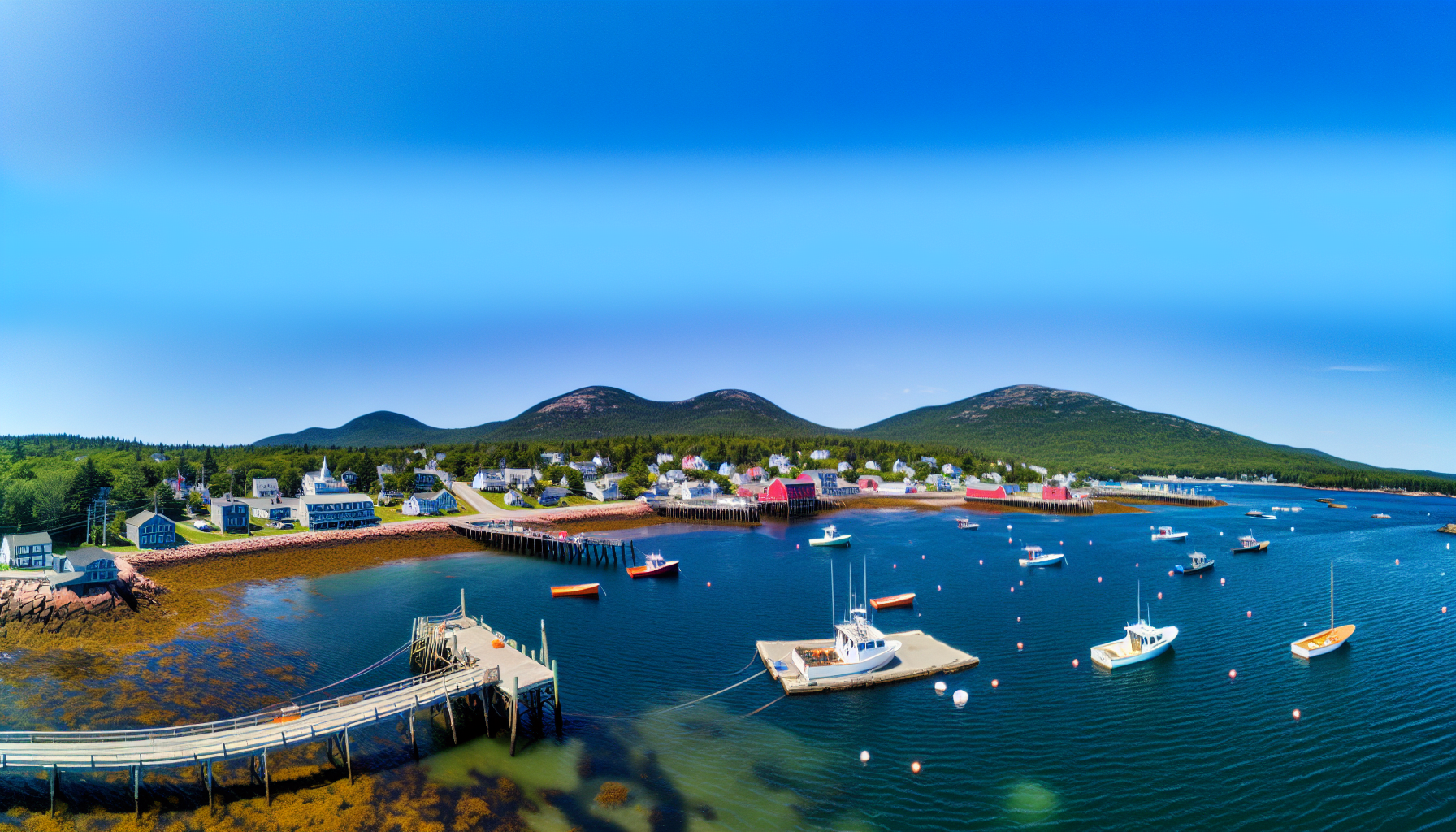
Gulf of Maine
Whale Watching
Humpbacks, finbacks, and minkes — the Gulf of Maine feeds them all.
The Gulf of Maine is one of the most productive whale feeding grounds in the North Atlantic. Cold, nutrient-rich waters draw massive numbers of fish — and the whales that follow them. Kennebunkport is one of the best departure points on the Maine coast for whale watching, with multiple operators offering daily trips from June through October.
Best Time to Go
Whale Species You Might See
Humpback Whale
The star of the show — humpbacks breach dramatically and are incredibly active. Up to 52 feet long. Arrive in July and stay through September. The acrobats of whale watching.
Finback Whale
The second-largest animal on Earth at up to 85 feet. Fast and powerful — you'll often see them surfacing repeatedly before a deep dive. Common throughout the season.
Minke Whale
The most common whale in the Gulf of Maine. Smaller (up to 30 feet) but curious and often approaches boats. A frequent sight on every trip.
North Atlantic Right Whale
Critically endangered — there are only about 350 left. Occasionally seen in fall. If your boat spots one, it's a remarkable and rare privilege.
Atlantic White-sided Dolphin
Often seen in pods of dozens or even hundreds. They love to bow-ride alongside boats — one of the most joyful sights in the Gulf of Maine.
Harbor Porpoise
Small (5–6 feet), shy, and fast. You might catch glimpses as they roll through the water near the boat. Common in the Kennebunk River estuary as well.
Booking Tips
- →Book early in peak season. August trips fill up quickly. Reserve online at least a week ahead on summer weekends.
- →Morning vs afternoon. Morning trips often have calmer seas; afternoon trips can be rougher but sometimes see more whale activity.
- →Bring layers.Even in August, it's 10–15°F colder on the water. A windproof jacket is essential.
- →Motion sickness.Take medication an hour before boarding if you're prone to seasickness. The Gulf of Maine can get choppy.
- →What to bring. Camera with zoom, binoculars, sunscreen (no shade at sea), and snacks. Trips typically run 3–4 hours.
Whale Watching Gear
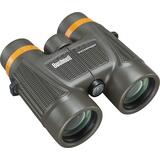
Bushnell H2O Xtreme Binoculars_FullyMultiCoated_Waterpr…
whale watching guide book
Outward Hound Granby Splash Orange Dog Life Jacket, Lar…
Telephoto Lenses
Adidas Mens Terrex Skychaser Ax5 Mid Top Gore-tex Hikin…
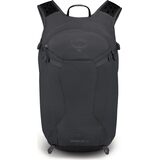
Osprey Sportlite 20L Unisex Hiking Backpack, Dark Charc…
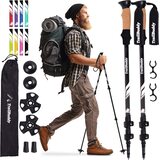
TrailBuddy Trekking Poles – Lightweight 7075 Aluminum H…
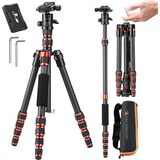
K&F Concept 60 inch Carbon Fiber Camera Tripod,Super Li…
As an Amazon Associate we earn from qualifying purchases.