Late May–June
Early-season gamble
Whales are following bait back into Maine waters, but operators may still be ramping up and cold fronts can cancel trips. Best for flexible travelers who can move the boat day.

Gulf of Maine
Pick the right boat day, dress for colder water, and give the Gulf of Maine enough time to show off.
A Kennebunkport whale watch starts on the Kennebunk River, passes the harbor mouth, and continues into Gulf of Maine feeding water where summer trips may find humpbacks, finbacks, minkes, dolphins, porpoises, and seabirds. The trip can take several hours in colder, windier conditions than the village streets suggest.
The main decision is not whether whales live out there; they do. The decision is how much weather flexibility your trip has. Put the boat near the front of the itinerary, keep the evening low-pressure, and let the captain make the call if wind or fog changes the plan.

Morning boat cue
The easiest whale-watch day starts calm: park once, board without rushing, keep warm layers close, and leave the return meal near Dock Square so the ocean hours do not turn into another drive.
Late May–June
Whales are following bait back into Maine waters, but operators may still be ramping up and cold fronts can cancel trips. Best for flexible travelers who can move the boat day.
July–August
This is the safest default for first-timers: warmer weather, frequent trips, and the highest chance that humpbacks, finbacks, minkes, dolphins, or porpoises are feeding offshore.
September–October
Crowds ease after Labor Day while offshore feeding can still be excellent. Watch the operator calendar closely because some departures taper as October moves on.
Booking decision
Larger boats are usually steadier and easier for mixed-age groups. Smaller adventure boats feel more intimate and faster, but they ask more from anyone who dislikes wind, spray, or a bumpier ride.
Classic Kennebunkport departure
The straightforward choice if you want the larger whale-watch boat experience out of the Kennebunkport/Kennebunk harbor area. Check the day’s sailing time, guarantee policy, and cancellation rules before you build dinner around it.
First Chance schedules and tickets →Smaller, faster boat feel
Their Kennebunk RIB trips suit travelers who want a more nimble wildlife ride and do not mind exposure to wind and spray. Read the FAQ carefully if anyone in the group is sensitive to motion, cold, or bumpy water.
New England EcoAdventures whale watch →When Kennebunk dates do not line up
If the local schedule is thin on your dates, Portland’s larger harbor has additional whale-watch departures about 35–45 minutes north, making it a reasonable plan B for a longer Maine coast day.
Maine whale-watching overview →Boat-day sequence
Arrive early enough to park once, use the restroom, and walk to the pier without a last-minute sprint. The harbor streets are part of the morning, but they are not worth missing the boarding call.
Treat wind, fog, and sea state as the real schedule. If the captain moves or cancels the trip, swap in beaches, Dock Square, or a Portland backup rather than forcing a rough offshore day.
Keep lunch and dinner close after the boat. A warm layer, a lighter meal, or a Dock Square walk is easier than another long drive after several hours on colder water.
Fit it into the weekend
The safest same-day pairing. Keep dinner walkable after the boat so spray, wind, or a late return does not wreck a reservation across town.
Find dinner ideas →Good on warm days when the boat returns early. Choose Mother's or Gooch's for an easier second half instead of trying to see every beach.
Compare beaches →Staying near the village or harbor shortens the walk to an early boat and keeps the return meal nearby.
Compare stays →The whale most visitors hope for: long white flippers, dramatic feeding behavior, and the occasional breach or tail throw. More likely once summer feeding is in full swing.
Long, fast, and enormous. Fin whales often surface with a lower, cleaner roll than humpbacks, so binoculars and the naturalist's callouts help visitors follow them.
Smaller and often quicker to disappear, but common enough that they can save a quieter trip. Watch for the pointed dorsal fin and a clean rolling surface.
Pods can turn the ride home into the best part of the day. They are smaller than the whales but much more playful around the bow wake.
Keep the packing list practical: warm layers, binoculars, a secure camera setup, and comfortable shoes beat bulky beach gear every time.
Second Star gear guide
Birding & Wildlife Viewing
Wildlife-viewing packing list
Binoculars, camera support, field notes, weather layers, sun cover, and insect protection for birding and wildlife-viewing days.
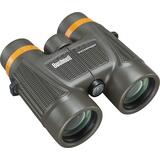
Compact Binoculars
$107.83
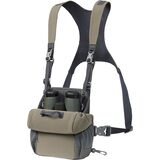
Binocular Harnesses
$119.00
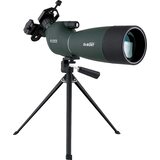
Compact Spotting Scopes
$59.99
Before you go
Use these official and public sources to confirm the details that change: hours, maps, tickets, reservations, road access, weather, and seasonal timing.